
Method
The Prospector’s Guide

Introduction to Gold Deposits and Prospecting
The process of acquiring gold begins with locating deposits. The placer deposits or “gold dust”, are loose gold particles, including dust, flakes, and nuggets, that have eroded from lode deposits and settled in riverbeds and streambeds.
Another popular method for individual prospectors is using a metal detector. High-frequency VLF detectors are the most common and are suitable for finding larger pieces of gold, while Pulse Induction detectors are more effective at locating small, fine gold nuggets.
The Art of Gravity Separation: Low-Cost & Manual Methods
Once a potential deposit has been identified, the next step is separating the gold from the surrounding sediment and gravel. This is most commonly achieved through gravity concentration methods, which exploit gold’s high density to separate it from lighter materials.

A. Gold Panning
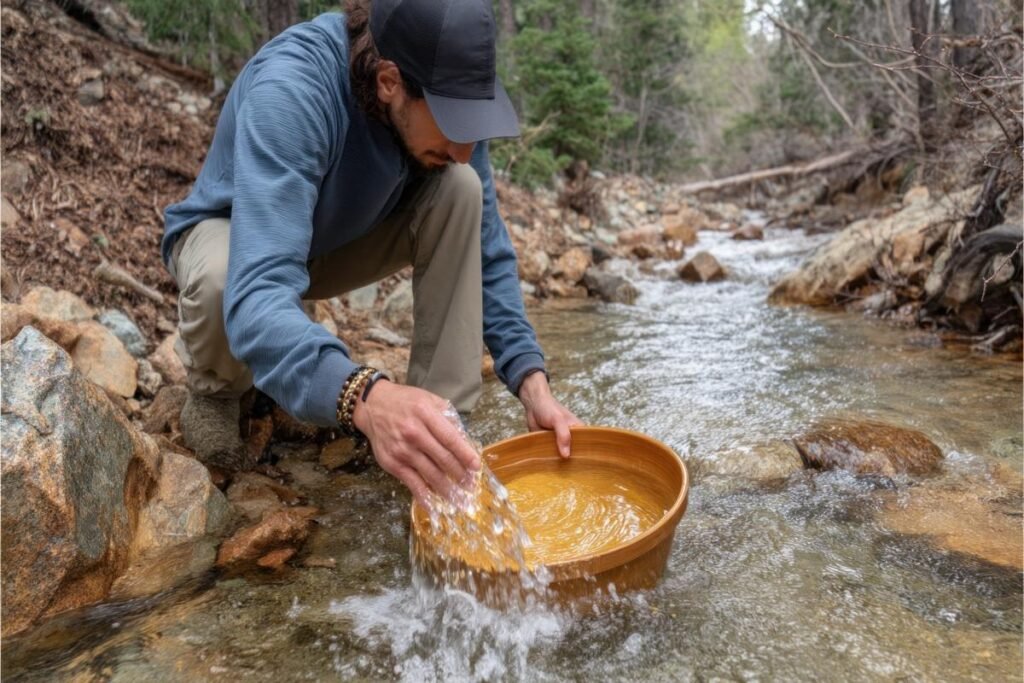
Gold panning is a low-cost, simple technique for initial gold recovery. It uses a wide, curved pan with water to separate heavy gold from lighter sediments through density separation. A specific “tapping” technique can be used to separate gold from sand, as the gold’s inertia causes it to move more rapidly. While effective for small samples, panning is not efficient for processing large volumes and requires skill and time.
B. Sluicing
Sluicing offers increased efficiency and scale compared to panning. A sluice box is a channel with riffles (obstructions) that trap heavy gold particles as water carries material through it. A constant water supply is necessary. Sluices are effective for concentrating large quantities of ore in a short time, but the resulting material is typically not high-grade and requires further processing, such as panning, to recover the gold.
C. Semi-Mechanized & Advanced Gravity Systems
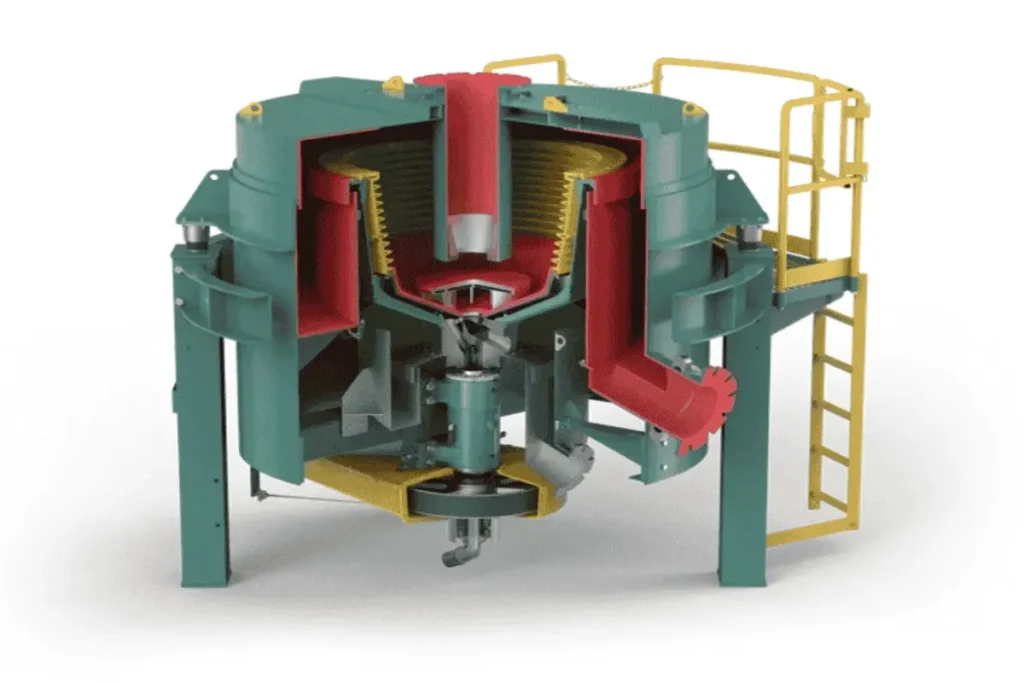
For those looking to move beyond manual methods, several semi-mechanized and advanced systems offer increased efficiency and higher recovery rates. They are more cash investments. The two types are Rocker Boxes (Cradles) and Shaking Tables.
After initial gravity separation, the concentrate often contains heavy, non-gold minerals like black sand, which is a fine-grained mixture of magnetite. This must be removed before refining. Magnetic separation, using a strong magnet, is a primary method for separating the magnetite from the gold. This step is crucial, as impurities can interfere with subsequent refining processes.


The value of raw gold is determined by its weight, purity (typically 18k to 21k for placer gold), and the current market price. The price of gold is highly volatile, influenced by global macroeconomic factors like geopolitical tensions and inflation. This volatility poses a financial risk for prospectors, whose earnings are tied to these fluctuating prices.
Or give us a call:
929 – 242 – 6868